

About Us
The UPEACE Human Mobility Ecosystem fosters inclusive, rights-based responses to human mobility by leveraging academic and training programs, humanitarian initiatives, and influence in political and international circles. Grounded in UPEACE’s mandate (UNGA Resolution 35/55), the ecosystem produces top research and training on human mobility flows worldwide, enhances local and national actors’ leadership to address mobility-related challenges, and prioritizes the dignity, agency, and rights of people and communities on the move.
The University for Peace (UPEACE) is a pioneer institution dedicated to fostering global peace and sustainable development through education, research, and practical action. UPEACE was established in 1980 through a United Nations General Assembly Resolution, making it the only university in the world created by the UN with the specific mandate of “engaging in teaching, research, post-graduate training and dissemination of knowledge fundamental to the full development of the human person and societies through the interdisciplinary study of all matters relating to peace.” UPEACE’s work in human mobility highlights its profound commitment to addressing the complex intersections of migration, displacement, conflict and violence, climate change, and social justice. This proposal outlines UPEACE’s existing initiatives, programs, and contributions to this critical field and seeks support to expand these efforts under a holistic Human Mobility Ecosystem
Mission Statement
To provide international, national, and local actors with the knowledge and skills needed to tackle mobility-related challenges. By supporting governments, communities, and individual to amplify their voices and advance equitable, rights-based alternatives to human mobility challenges through innovative education, research, and direct humanitarian action inspired by a rights-based approach and climate and social justice principles.
Vision Statement
A world where migration is safe, dignified, and driven by choice, not necessity—achieved through collaborative, community-centered approaches that uphold human rights and justice and ensure that the voices and rights of people on the move are central to policy and practice at local, regional, and international levels.
Our team

Dra. Adriana Salcedo - Program Coordinator
Director of the Department of Peace and Conflict Studies at the University for Peace and Academic Coordinator of the Master's programs in International Peace Studies (IPS) and International Peace Studies with a specialization in Media, Peace and Conflicts (IPS-MPCS)
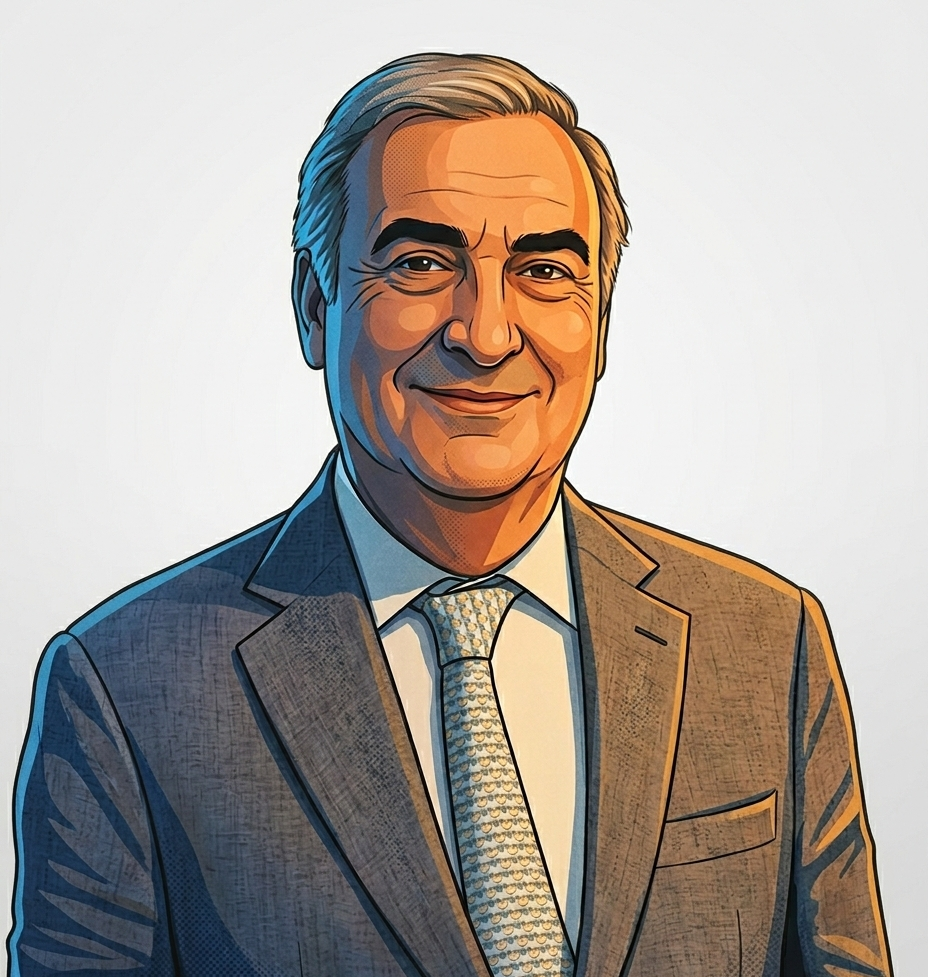
Dr. Francisco Rojas Aravena - Rector
Doctor in Political Science from the University of Utrecht (Netherlands) and Master from FLACSO. His experience covers international relations, human security, Latin American political systems, negotiations, and international security and defense.
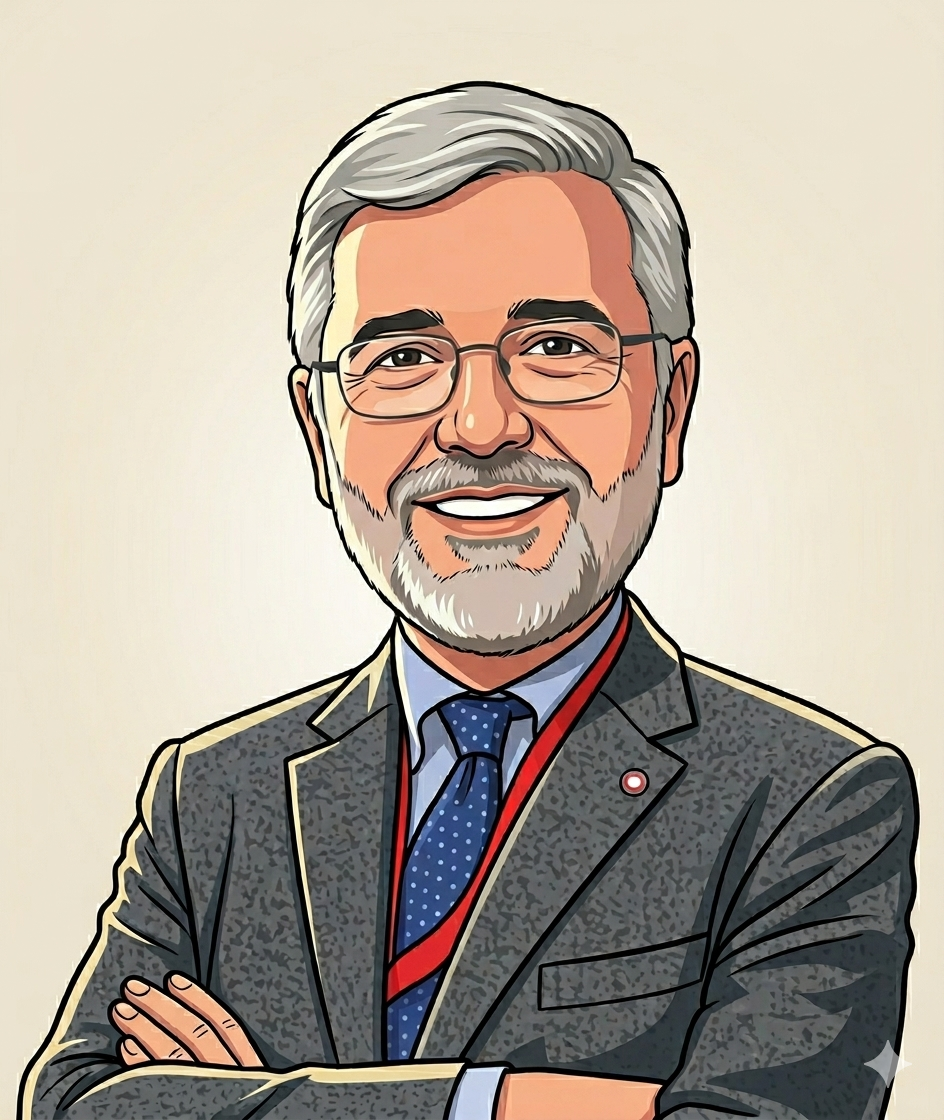
Dr. Juan Carlos Sainz-Borgo - Vicerrector
Law graduate, he has a Master's and a Doctorate (Cum Laude) from the Central University of Venezuela, along with a Master's from the University of Oxford.

Karen Acosta - Head of the Department of Regional Studies
Master's degree in International Law and International Relations from the Complutense University of Madrid and a Bachelor's degree in Law from the Andrés Bello Catholic University of Venezuela

Andrea Guadamuz - Program Coordinator. Humanitarian Assistance Office.
Lorem ipsum dolor sit amet, consectetur adipiscing elit. Ut elit tellus, luctus nec ullamcorper mattis, pulvinar dapibus leo.
Latin American Observatory on Human mobility, Climate Change, and Disasters
“The Observatory aims to increase awareness on human mobility among States and a variety of actors in the region; spur a collective effort to collect, produce and share information on human mobility issues and trends; and transform scientific and technical knowledge into practical information for use by relevant and interested actors.”
– Francisco Rojas Aravena Rector of UPEACE
